
CROSS: 3D Animated Hero
This project explores how visual clarity and hierarchy can shape a more intuitive and engaging e-commerce experience.
The interface was designed to balance strong visual immersion with efficient product discovery. The goal was to create a seamless transition between inspiration and purchase by structuring content around clear visual hierarchy and progressive engagement.
The design focuses on clarity of hierarchy and immediate product understanding, using a strong hero section to anchor the experience and guide the user into the browsing journey. Particular attention was given to the relationship between imagery, typography, and spacing to ensure that each section remains readable while maintaining a cohesive visual rhythm.
The interface combines editorial storytelling with commercial functionality. From product highlights to category navigation, each element is structured to support quick decision-making while preserving an immersive brand atmosphere. The use of layered visuals and soft background elements reinforces depth without overwhelming the user, allowing content to remain the primary focus.
Skills Demonstrated
Visual Hierarchy Design
Structuring content to guide user attention from hero section to product exploration seamlessly.E-commerce UX Fundamentals
Designing clear product discovery flows, category segmentation, and conversion-oriented layouts.Interface Composition
Balancing imagery, typography, and spacing to create a cohesive and readable interface.Brand Integration
Translating a strong visual identity into a consistent digital experience.Information Architecture
Organizing content into intuitive sections that support both browsing and targeted navigation.UI System Thinking
Creating reusable layout patterns across product cards, categories, and sections.User-Centered Decision Making
Prioritizing clarity, accessibility, and ease of interaction throughout the experience.
Neolia : A Case Study

Context
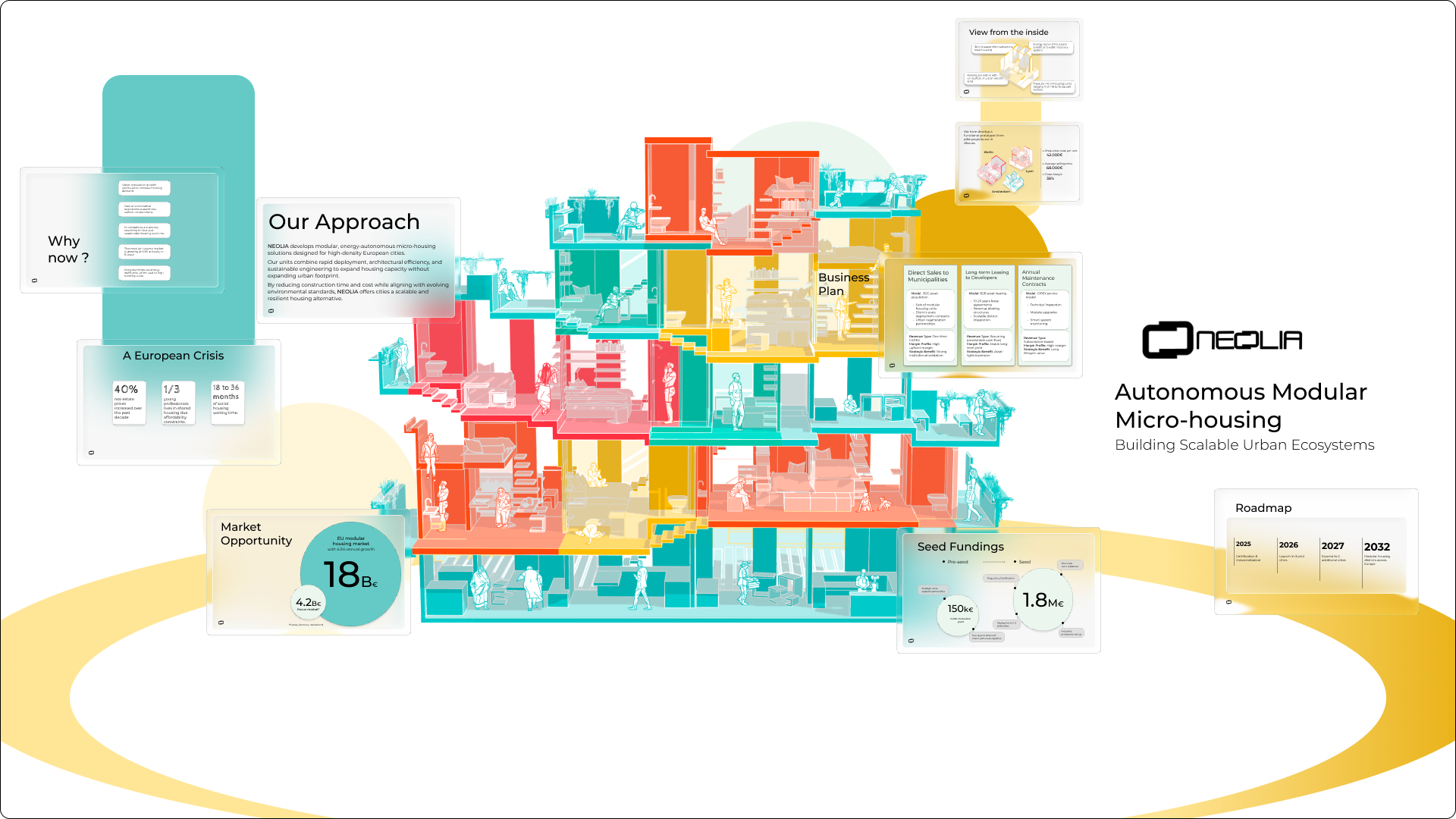
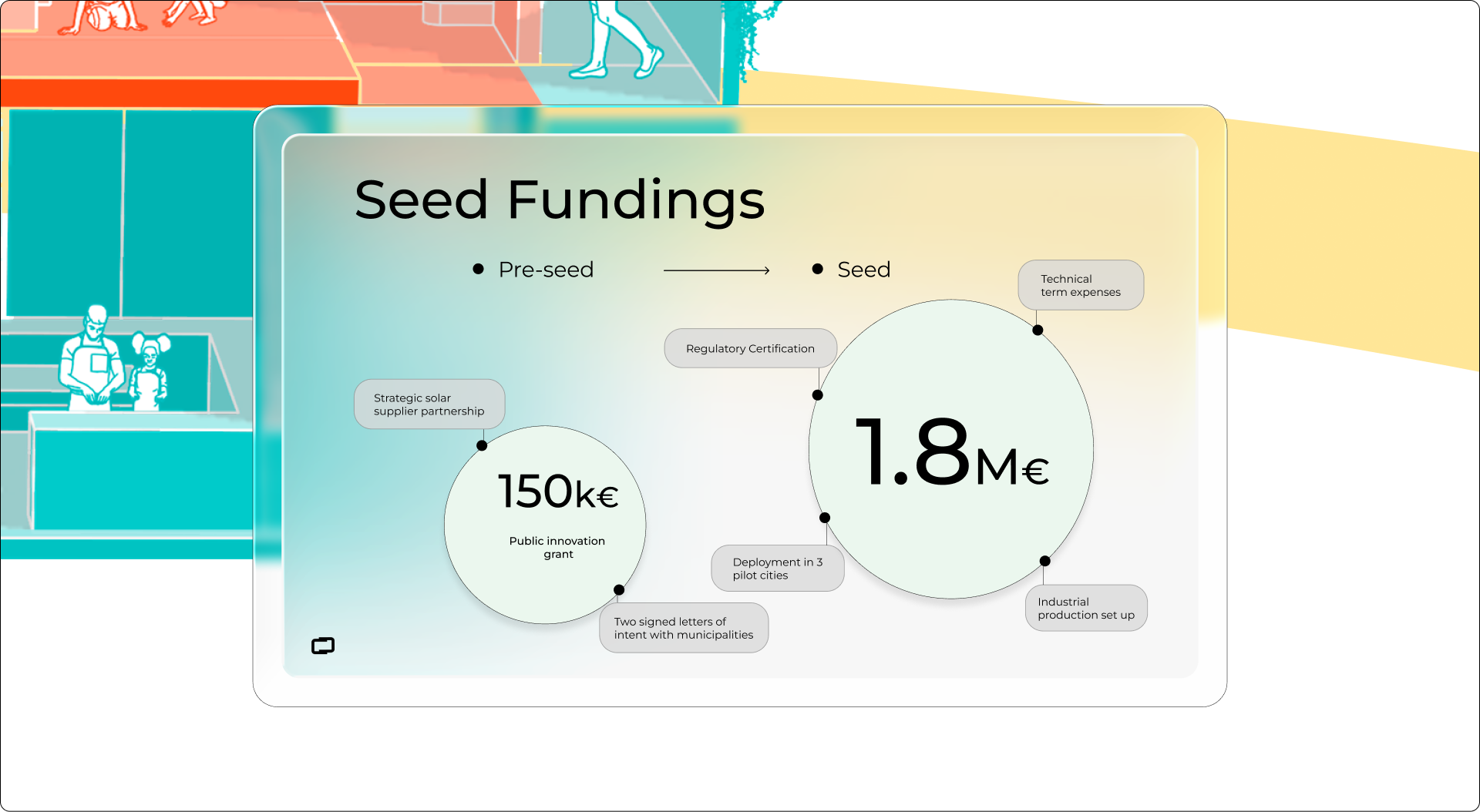
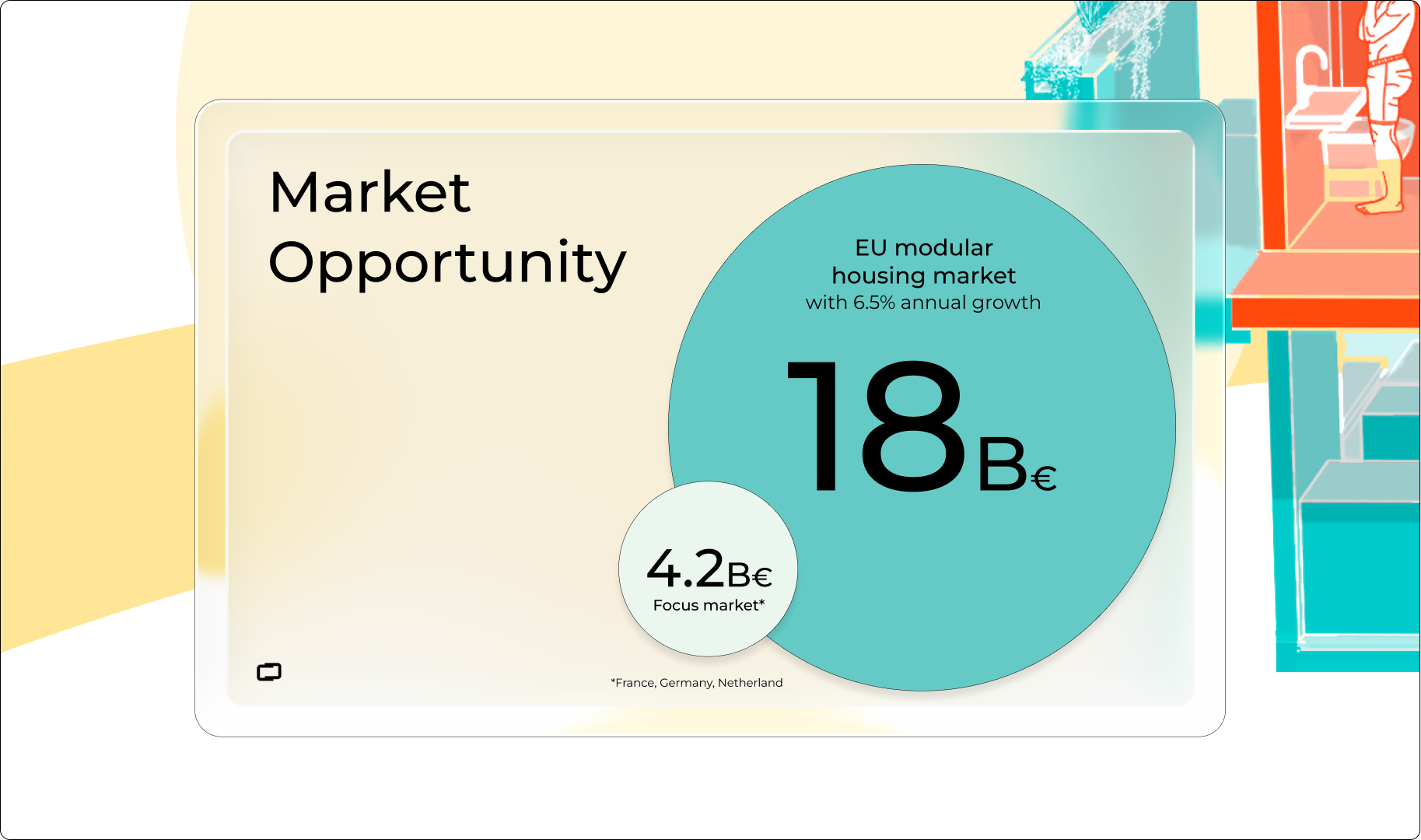
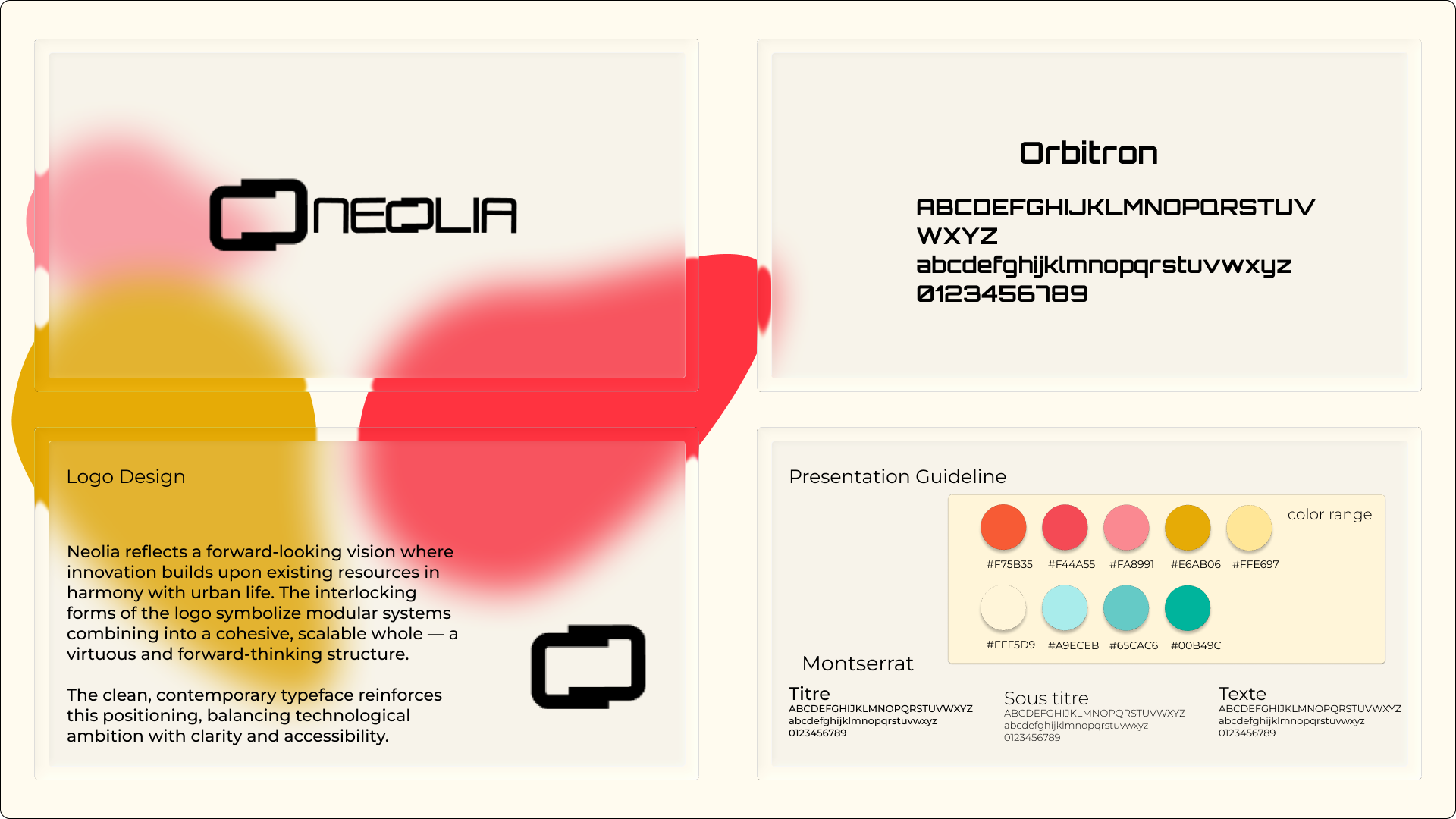
Neolia is a conceptual VC-style presentation designed to explore how dense strategic content can be translated into a structured and scalable visual system. The initial material consisted of text-heavy documentation covering market opportunity, funding strategy, operations, and roadmap planning.
The objective was to transform this raw content into a coherent, decision-oriented presentation framework.
Challenge
The main challenge was converting complex, text-dominant information into a clear visual hierarchy without oversimplifying key strategic insights.
This required structuring content logically, identifying core messages, and ensuring that each slide contributed to a cohesive narrative rather than functioning as isolated visual elements.
Process
I began by deconstructing the raw written material into thematic categories and reorganizing it into a logical VC deck structure.
From there, I developed a consistent layout system based on:
Clear typographic hierarchy
Modular grid structures
Visual grouping of related information
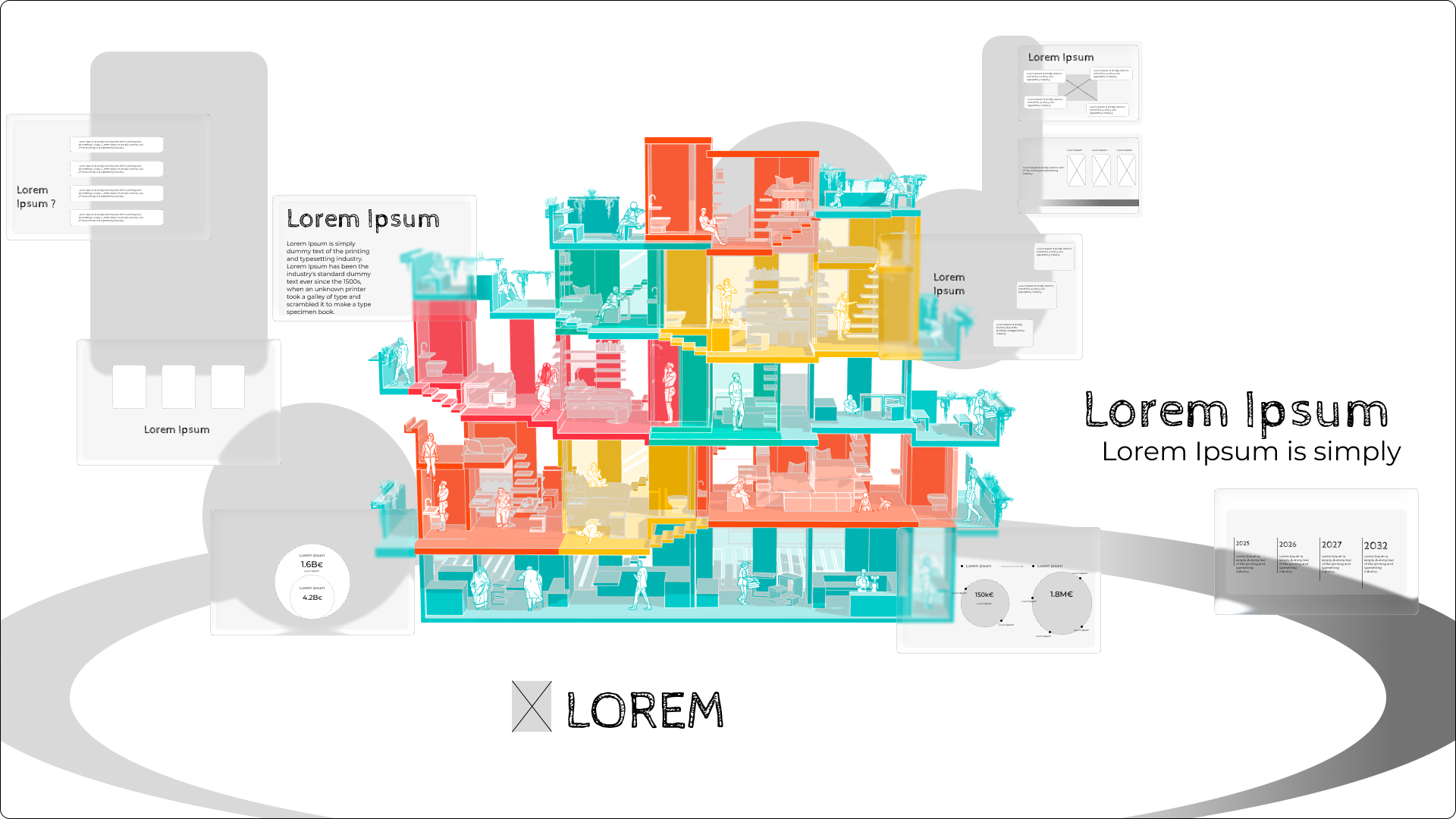
Emphasis on key numerical data
Complex explanations were translated into diagrams, architectural visuals, funding breakdowns, and timeline graphics to reduce cognitive load and improve scannability.
While initially exploring a mind-map inspired presentation model, I ultimately adopted a linear structure to ensure clarity and professional applicability.
Outcome
The result is a structured, visually coherent presentation system that prioritizes clarity, hierarchy, and strategic communication.
The project demonstrates the ability to transform abstract business narratives into accessible visual frameworks suitable for investment and decision-making contexts.
Reflection
Neolia strengthened my ability to synthesize dense information, build scalable visual systems, and communicate strategic content with precision and clarity.
Skills Demonstrated
Information hierarchy design
Translation of dense research into visual systems
Data emphasis and numerical prioritization
Slide deck structuring (VC / strategic format)
Diagrammatic thinking and system visualization
Layout grid development and consistency
Visual communication for decision-making contexts
Balancing clarity with creative exploration
Narrative structuring across multi-slide presentation

Refining a VC Ready Narrative
Context
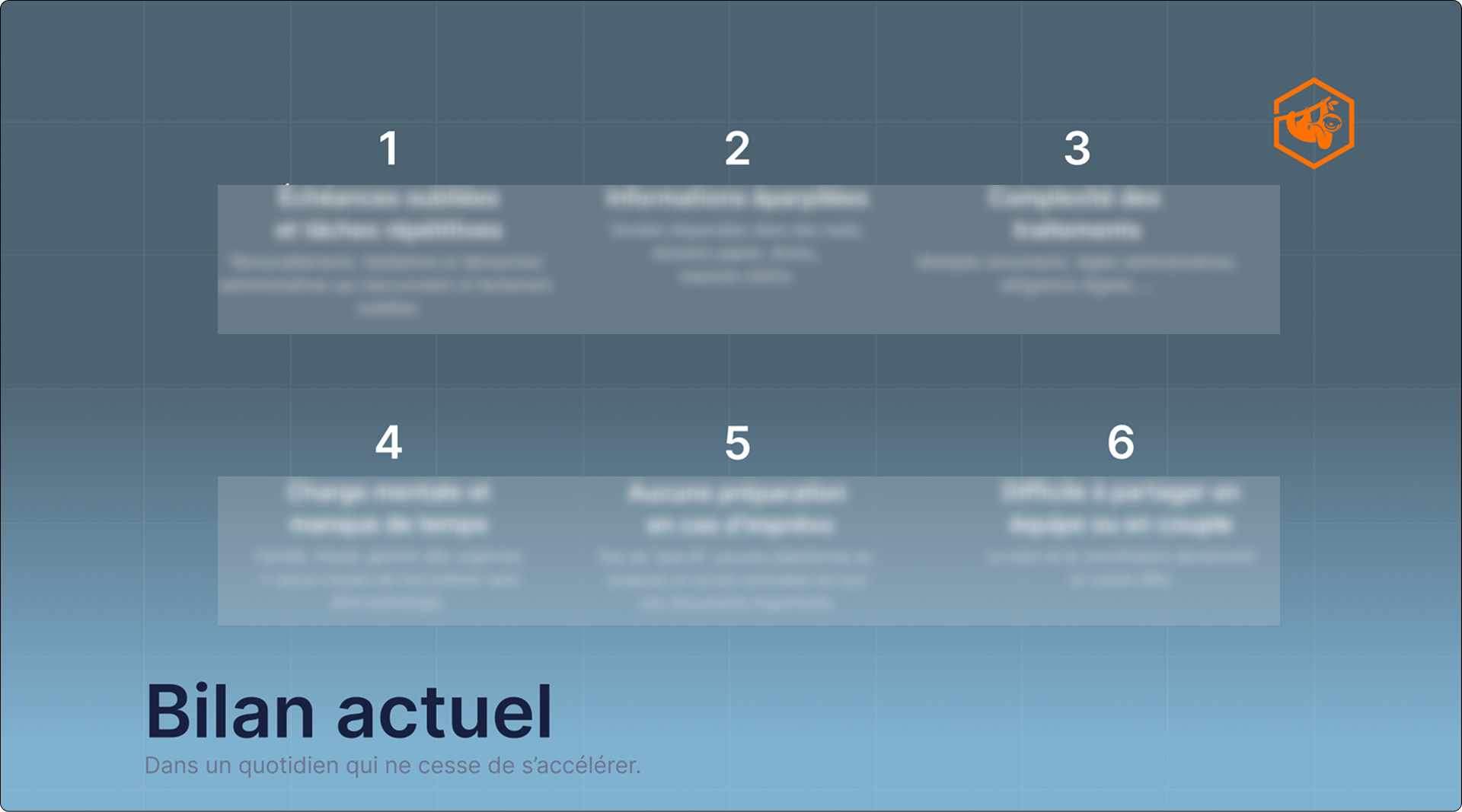
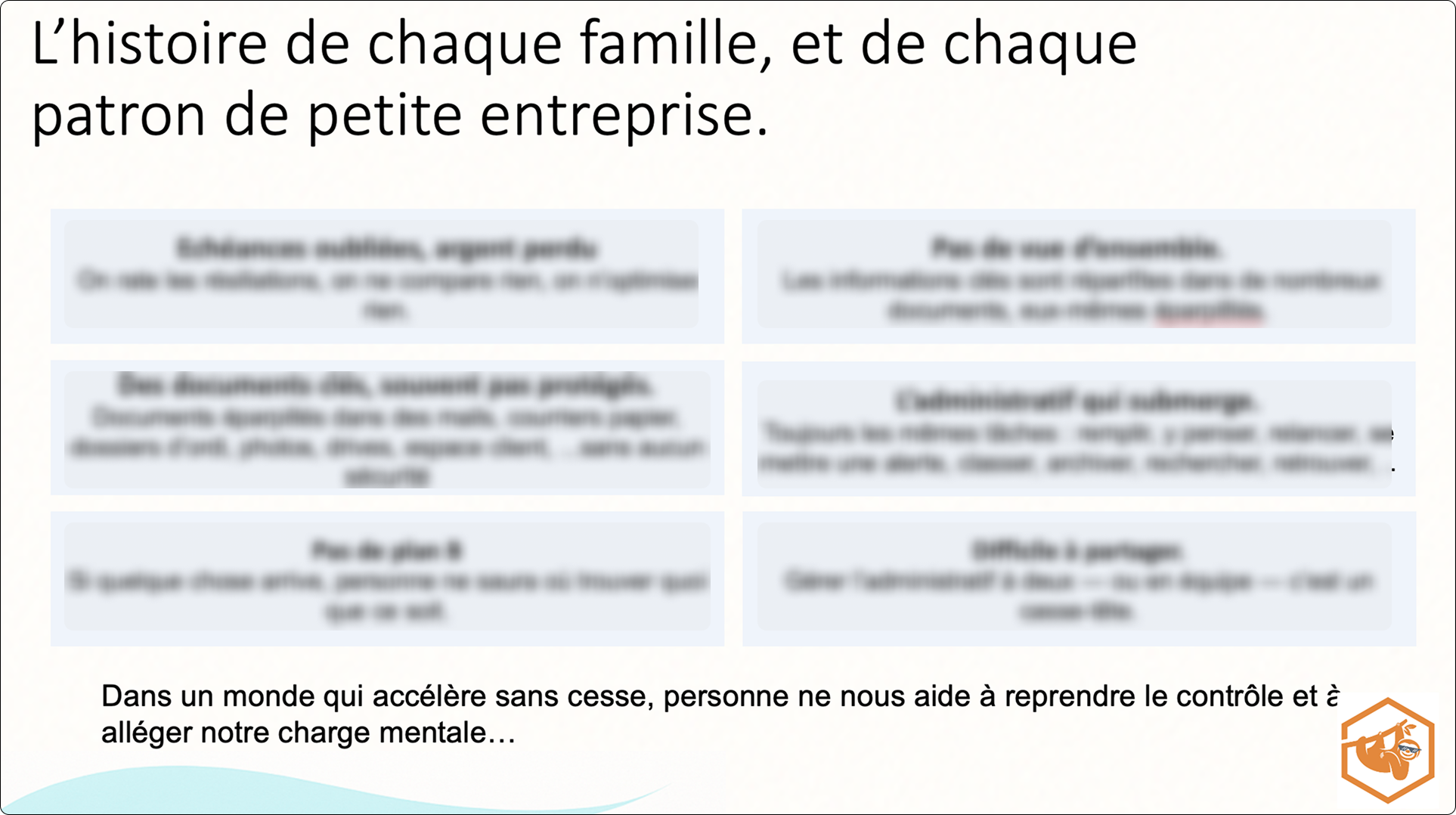
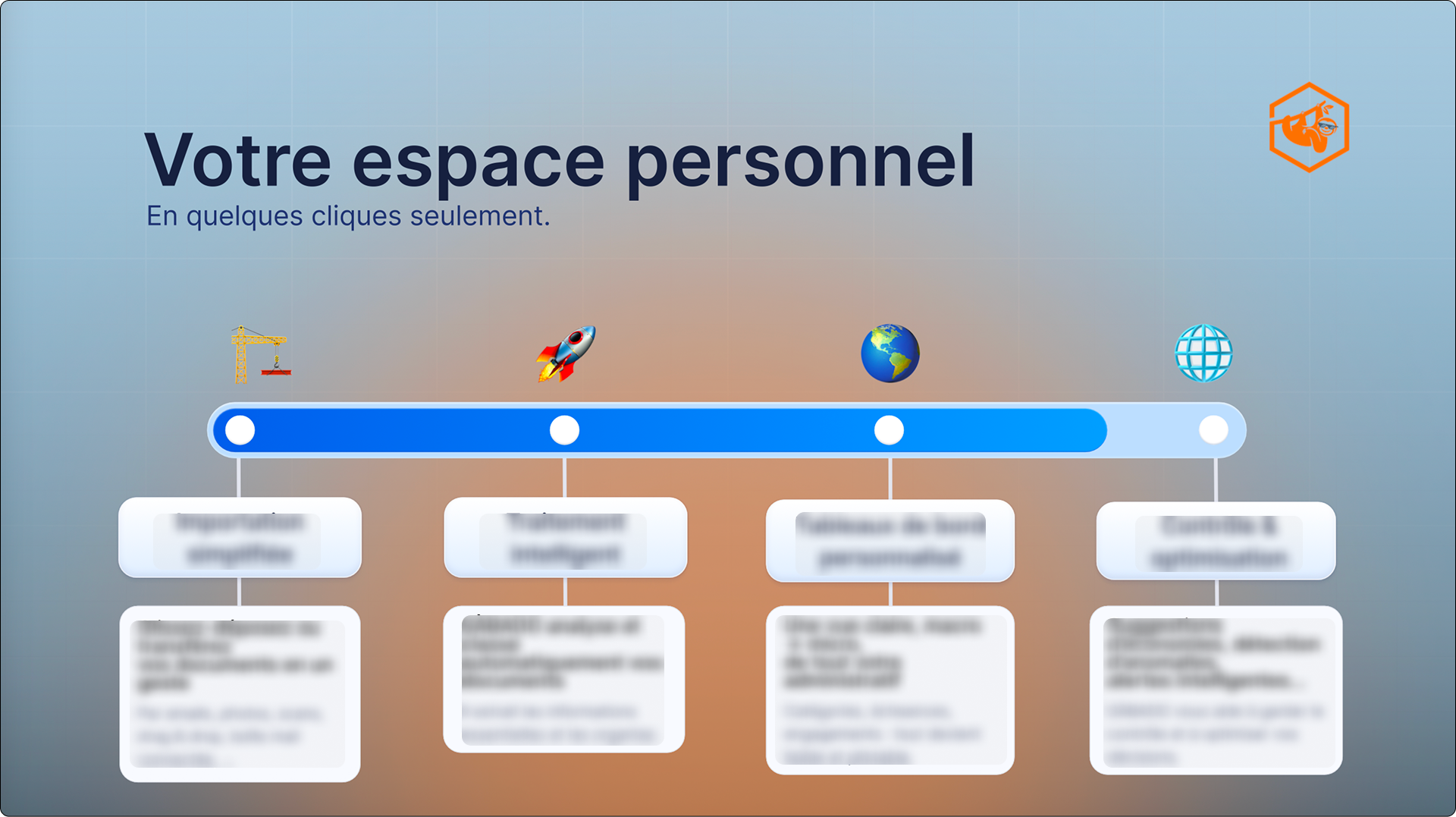
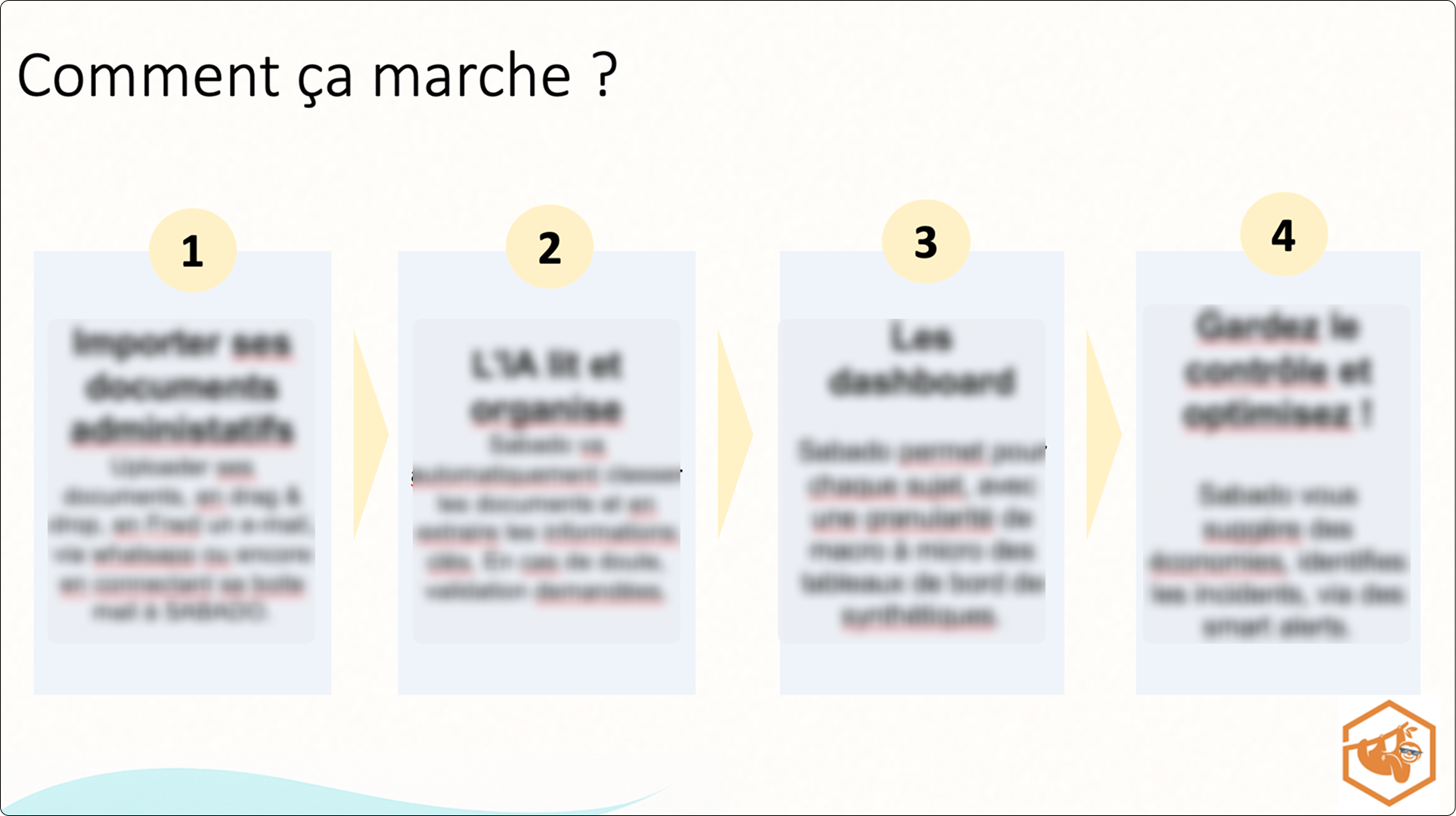
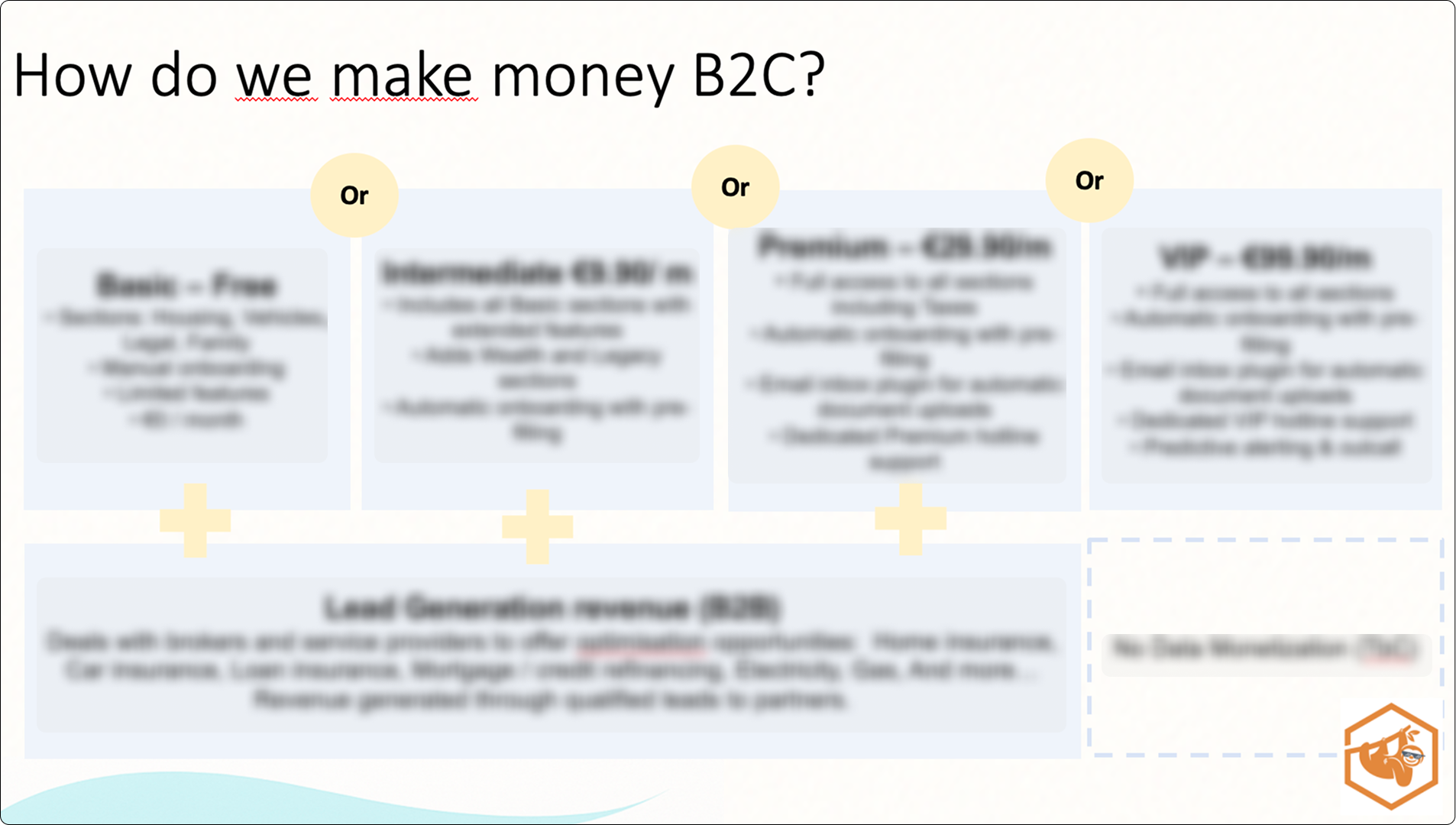
Sabado involved the redesign of an existing investor presentation that required structural refinement while preserving the original strategic content.
The objective was not to create a new narrative, but to enhance clarity, hierarchy, and visual coherence within the constraints of established messaging and brand guidelines.
Role
My role focused on visual restructuring rather than content rewriting. I worked within the existing material to improve readability, emphasize key insights, and align the deck with professional investor communication standards.
This required analytical judgment — determining what to retain, what to reorganize, and how to elevate clarity without altering intent.
Challenge
The initial presentation contained valuable information but lacked hierarchy and visual prioritization. Competing graphic elements, inconsistent spacing, and dense layouts reduced scannability and obscured the core message.
The challenge was to:
Clarify the central takeaway of each slide
Reduce cognitive overload
Establish visual order without oversimplifying content
Maintain brand consistency throughout
Process
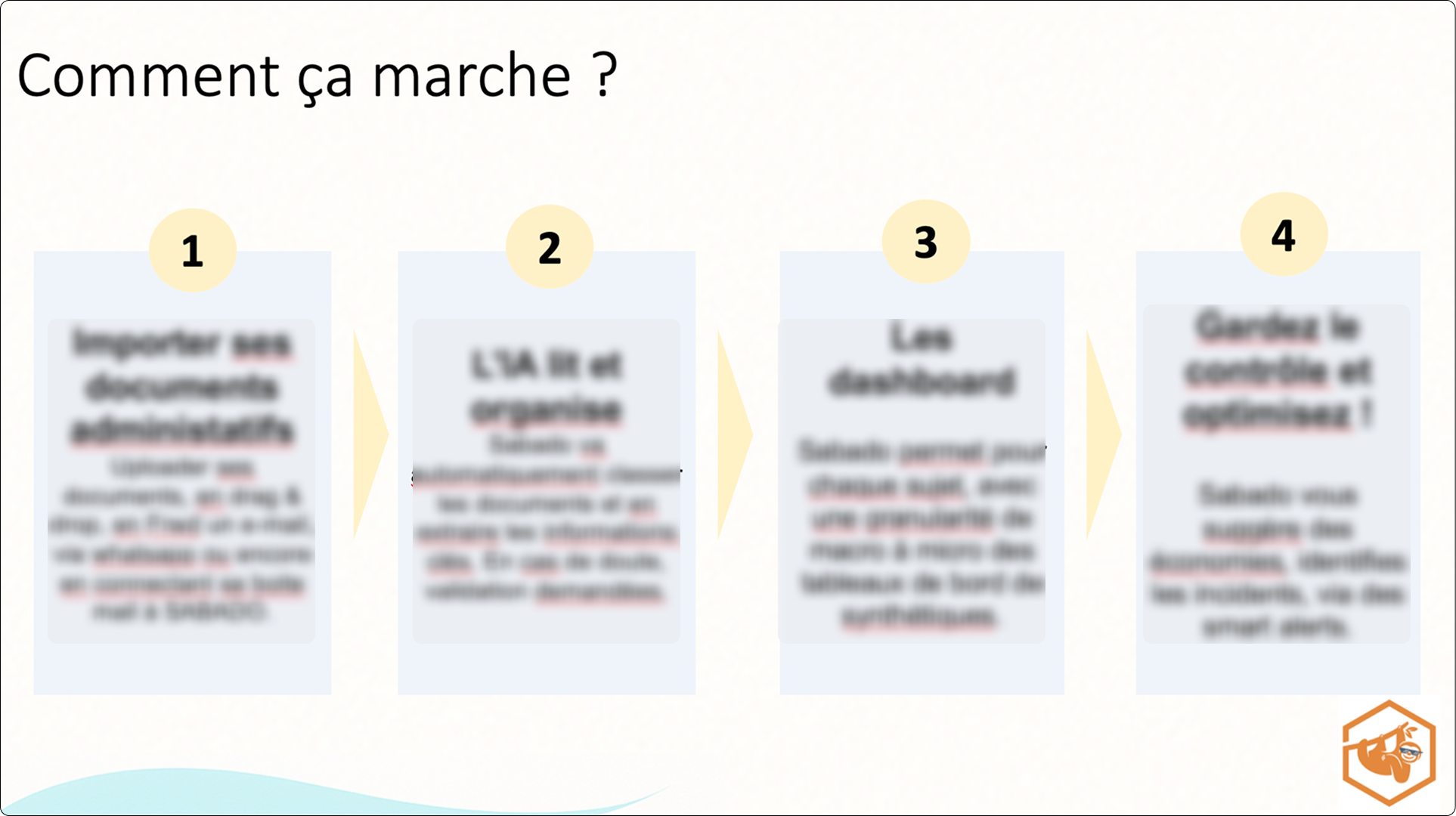
The redesign followed a structured three-step methodology:
1. Identify
I analyzed each slide to determine its primary message and supporting information.
2. Define
Content was reorganized into clear hierarchical levels — headline, key insight, supporting detail — ensuring that the most important information was immediately visible.
3. Design
I applied a simplified layout system using consistent spacing, controlled typography, and restrained visual elements. Decorative components were reduced to eliminate distraction, and contrast was used intentionally to emphasize key data points.
Brand guidelines were carefully respected to ensure alignment with the company’s visual identity.

Outcome
The refined presentation achieved:
Improved readability and visual balance
Clear emphasis on strategic takeaways
Stronger alignment with investor communication standards
Greater cohesion across slides
The updated design demonstrates how disciplined visual restructuring can enhance strategic clarity without altering core content.
Reflection
This project reinforced an important principle: clarity is achieved through intentional reduction.
By subtracting unnecessary elements and strengthening hierarchy, the presentation became more analytical, structured, and decision-focused — essential qualities in professional and information-driven environments.
Skills Demonstrated
Information prioritization and hierarchy refinement
Content restructuring without narrative distortion
Visual simplification under brand constraints
Editorial judgment in layout decisions
Scannability optimization
Slide deck standardization and consistency
Decision-oriented communication design
Attention to detail in professional presentation contexts


Designing a Symbol: The Story Behind My Personal Mark
My personal logo began as a question rather than a shape: how do you design something that represents both identity and direction? Not just a name, but a mindset — a way of thinking, building, and evolving.
The symbol is a minimal construction of my initials, AA, reduced into two geometric forms that meet at a point. These shapes reference mountains, pyramids, and upward movement — symbols of progression, ambition, and elevation. But they also echo financial curves, peaks, and fluctuations — systems shaped by tension, rhythm, and momentum.
This duality is intentional. My work exists at the intersection of structure and intuition, logic and imagination, systems and emotion. The logo reflects this balance: stable but dynamic, grounded but directional, abstract but readable.
More than a visual identity, this mark functions as a conceptual anchor. It represents growth through observation, clarity through reduction, and movement through intention. A reminder that design is not only about aesthetics — it’s about positioning, direction, and meaning.

Personal Mark — Monolithic pyramids
Reading the Market: Learning a New Language
Week 1— Trading Simulation: Discipline Over Prediction
This first week of trading simulation wasn’t about learning how to predict markets, but about learning how to interact with them — patiently, structurally, and with discipline.
I began by focusing on technical analysis: identifying trends, marking key highs and lows, and observing how price behaved around structural levels. While studying Gold, I noticed that price often establishes a low early in the session, then spends time testing higher ranges before committing further. This shifted my mindset from chasing movement to reading structure — from prediction to confirmation.
However, my most valuable lessons didn’t come from entries, but from execution and exits. Even when my analysis was correct, I noticed a recurring tendency to push trades beyond predefined levels out of greed — not because the setup changed, but because I wanted slightly more. This often turned good trades into average ones, or winners into losses. One missed trade in particular — caused by adjusting a Buy Limit order seconds before execution — reinforced how small deviations from a validated plan can have disproportionate consequences.
Through journaling and post-trade reviews, I identified a clear behavioral pattern: I respected my strategy during analysis, but not always during execution, especially when emotions entered the equation. This led to a concrete commitment — no trade would be managed beyond its predefined levels. No exceptions. The impact was immediate: performance stabilized, emotional stress decreased, and my focus shifted from outcome to process.
Another key insight was learning to value confirmation over precision. Rather than trying to catch exact bottoms, I prioritized entering near structure with confirmation. This reduced pressure, improved execution quality, and reinforced the idea that sustainability matters more than perfection. I also learned that lower-priced or more volatile assets don’t imply lower risk — they demand stricter risk control, tighter invalidation levels, and professional seriousness regardless of capital size.
What stood out most this week wasn’t a specific setup or indicator, but the realization that trading is primarily a behavioral skill. Markets don’t reward ambition — they reward consistency. Once execution errors rooted in impatience and optimization were corrected, results followed naturally — not as a goal, but as a consequence. This week marked a shift from trying to “win trades” to learning how to trade well: building a repeatable system of observation, execution, and refinement where discipline compounds faster than boldness.
Read Through Candles
I first became interested in financial markets because of how intriguing their systems and movements felt — complex, alive, and governed by a logic of their own. I quickly started to see the market as a language: one that isn’t spoken, but read, interpreted, and gradually understood.
For the past year and a half, I’ve been learning continuously — collecting insights, studying market structures, observing behaviors, and absorbing different perspectives on how price moves and why. Along the way, I realized something essential: the market isn’t governed by a single language, but by multiple interpretations. Sometimes those interpretations create opportunity. Other times, they create friction. Either way, understanding this plurality became central to my motivation.
My primary goal is not prediction, but comprehension — learning how markets work internally, how they react, and how their dynamics unfold over time. This research directly informs some of my design thinking, including projects like lïof, which draws inspiration from financial systems.
From a UX perspective — though secondary to my main intent — observing markets has also strengthened my ability to adopt an empathetic, analytical stance. Markets, like users, operate through both visible behaviors and invisible forces. Learning to read those layers has become a way for me to sharpen not only my financial understanding, but my systemic and human-centered thinking as well.
This article marks the beginning of a series where I’ll document my learnings, observations, and evolving interpretations — not as definitive truths, but as an ongoing exploration of how markets speak, move, and respond.